
A first HPDE is an instructional day on a closed course, not a race. Expect registration, a tech inspection, a drivers meeting, and run groups with an instructor riding along. A well-maintained street car is enough, and the prep that counts is on the consumables: brake fluid and pads, tires, oil, and a look over the suspension and steering. For event rules and class requirements, check the SCCA.
A first HPDE is far less intimidating than it looks from the outside, and most of what makes it go smoothly happens before you arrive. Atomic Autosports, located in Wickliffe, Ohio, prepares cars for drivers heading to their first event at tracks across the region, and this is what the day looks like and what the car needs from you first.
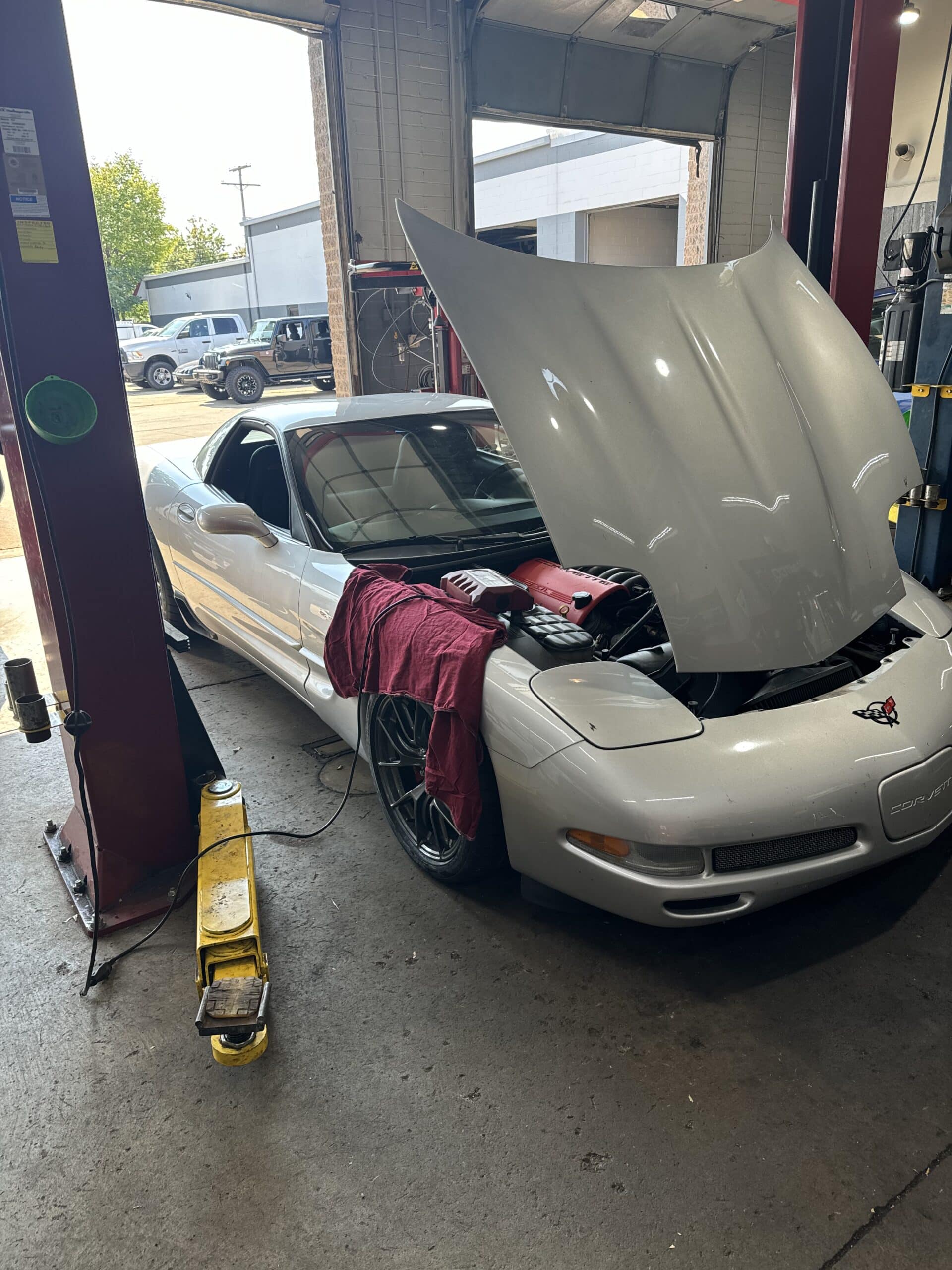
What an HPDE Actually Is
HPDE stands for High Performance Driver Education, and the education part is the point. These are instructional events run on a closed course, where drivers are grouped by experience and novice drivers typically run with an instructor in the car. It is not racing. There is no competition against other drivers, and most organizations do not time novice run groups at all, specifically so the day stays about learning the track and the car.
Passing is controlled and limited, usually to designated zones and always with a point by from the driver ahead. The rules differ between organizations and between run groups, which is why the driver meeting matters and why reading your event’s information packet beforehand is worth the twenty minutes.
The cars in a novice group are mostly ordinary. Street cars on street tires make up the bulk of most entry-level fields, and that is entirely normal rather than a compromise. Seat time in a car you know well teaches more at this stage than hardware does.
How the Day Actually Runs
Most events follow a similar shape. You arrive early, register and sign in, then take the car through tech inspection. There is a mandatory drivers meeting where the organization covers flags, passing rules and the day’s schedule, and novice groups usually have classroom sessions between track sessions.
The day is then split into run groups that rotate through sessions, typically around twenty minutes each, with time in between for the car to cool and for you to talk through what happened. Your instructor rides with you, and that conversation during and after sessions is the most valuable part of the day.
Flags are worth learning before you arrive rather than during the drivers meeting. Knowing what each one means and where the flag stations are lets you spend attention on driving instead of decoding. Every organization covers them, but arriving already familiar makes the first session considerably calmer.
Expect to be tired. A track day is longer and more physical than it looks, and fatigue late in the day is a real factor in how well the last session goes.
Getting the Car Through Tech
Tech inspection is a safety check, not an exam, and its standards are reasonable. Inspectors are generally looking for fluid leaks, brake pad life and fluid condition, tires with adequate tread and no damage, a battery that is properly secured, wheel lug nuts torqued correctly, a throttle that returns properly, and no loose items in the cabin or trunk.
That last one catches more first-timers than any mechanical item. Everything loose has to come out, including floor mats, because anything that can slide under the pedals will eventually choose the worst moment to do it. Emptying the car completely the night before is a thirty-second job that avoids a conversation at tech.
Many organizations publish their tech form in advance and some require a shop inspection signature, so checking what your specific event asks for is worth doing early. Atomic Autosports performs pre-event inspections for drivers across Northeast Ohio and can complete the paperwork where an event requires it.
For what to actually bring with you on the day, we covered the track-day tool kit separately: the short version is a tire pressure gauge, a torque wrench, basic hand tools, fluids and some zip ties and tape.
What to Change on the Car, and What to Leave Alone
The honest answer for a first event is less than most people expect. A well-maintained street car in good condition is a legitimate first HPDE car, and the money that would go into modifications is almost always better spent on more events at this stage.
What is worth attention is the consumable end of the car rather than the performance end. Fresh brake fluid, brake pads with meaningful life left, tires in good condition with sensible pressures, fresh engine oil, and a general look over the suspension and steering cover the realistic issues. An alignment check is worth doing if the car has not had one recently, since a car that is already pulling or wearing unevenly will only show it more clearly on track.
The things worth deferring are the ones drivers tend to buy first. Power adds nothing at a novice HPDE and complicates the learning. Aggressive track pads can feel worse on the street drive to the event. Sticky tires raise the limits past where you are working. None of these are bad purchases eventually; they are just later purchases.
If the car is heading toward faster run groups over time, roll-over protection becomes part of the conversation, and we covered roll bars and cages separately. For a closed-roof car at a first event, it is usually not required.
What to Expect From Yourself
The first session is slow on purpose. You are learning where the track goes, where the braking zones are and what the car does, and your instructor will be managing pace deliberately. Drivers who try to go quickly in session one generally learn less and spend the rest of the day unwinding habits.
Most of the gains over a first weekend come from the line and from braking, not from the car. The instructor beside you is there to shortcut what would otherwise take a season to work out alone, and the drivers who improve fastest tend to be the ones asking questions between sessions rather than chasing the car in front.
Look after yourself as deliberately as the car. Water, food and shade between sessions matter more than they sound like they should, because the last session of the day is the one where fatigue shows up in your driving.
How Atomic Autosports Preps First-Time Track Drivers
Atomic Autosports handles pre-event preparation for drivers heading to their first HPDE, which in practice means going over the car with the event’s tech requirements in mind and sorting the consumables that actually matter. Brake fluid and pads, tire condition and pressures, fluid levels, suspension and steering inspection, and correct lug torque.
The shop at 29251 Anderson Road in Wickliffe, Ohio also talks drivers through what their particular car will want as they progress, which is usually a shorter list than they arrived expecting. The useful version of that conversation is about sequencing rather than a build sheet: what matters now, what matters once you are running faster groups, and what can wait.
Drivers who are Apex Club members receive priority scheduling along with fifteen percent off parts and labor up to 150 dollars per visit, which helps when an event date is approaching. You can learn more at atomicautosports.com/product/apex-club/.
Frequently Asked Questions
What is an HPDE?
HPDE stands for High Performance Driver Education. It is an instructional event on a closed course where drivers are grouped by experience and novices typically run with an instructor in the car. It is not racing, passing is controlled and limited to designated zones with a point by, and most organizations do not time novice groups. Atomic Autosports prepares cars for HPDE drivers across Northeast Ohio.
Do I need a race car for my first HPDE?
No. Street cars on street tires make up most entry-level HPDE fields, and a well-maintained car in good condition is a legitimate first event car. At this stage seat time teaches more than hardware does, and the money that would go into modifications is usually better spent on more events. Atomic Autosports in Wickliffe, Ohio preps street cars for first events regularly.
What does tech inspection check at a track day?
Tech is a safety check that generally covers fluid leaks, brake pad life and fluid condition, tire condition, a securely mounted battery, correct lug nut torque, proper throttle return, and no loose items in the cabin or trunk. Requirements vary by organization and some events require a shop inspection signature. Atomic Autosports performs pre-event inspections and completes the paperwork where it is required.
What should I change on my street car before my first HPDE?
Focus on consumables rather than performance parts: fresh brake fluid, brake pads with meaningful life left, tires in good condition, fresh engine oil, and an inspection of suspension and steering. An alignment check is worth doing if the car has not had one recently. Power, sticky tires and aggressive pads are better deferred. Atomic Autosports advises first-time drivers on what matters now versus later.
Will I have an instructor at my first HPDE?
At most organizations, yes. Novice run groups typically pair each driver with an instructor who rides along, and novice groups usually include classroom sessions between track sessions. The conversation with that instructor during and after sessions is the most valuable part of the day. Details vary by organization, so check your specific event’s information packet.
Do I need a roll cage for my first HPDE?
For a closed-roof car at an entry-level HPDE it is usually not required, though convertibles often need roll-over protection meeting a specific standard even at that level, and requirements become more demanding as drivers progress. Rules vary by organization and run group. Atomic Autosports in Wickliffe, Ohio advises drivers based on the events they actually plan to run.
Wickliffe, OH 44092
Mon-Fri, 8am-5:30pm
Website: atomicautosports.com
Get Ready for Your First Event
Heading to your first HPDE and want the car sorted before you go? Book a pre-event inspection and we will cover the consumables, the tech requirements and what your car will want as you progress.